5 Causes of Slow Drains and Sewer Backups
Slow drains and sewer backups often begin with a partial blockage caused by grease, tree roots, flushed items, or built-up debris. In Springdale, AR, Roto Rooter helps homeowners and businesses find the source early, clear the line safely, and decide when professional drain or sewer service is needed.
What causes slow drains and sewer backups?
A slow drain means water is not moving through the pipe as it should. One slow sink may have a nearby blockage, while several slow drains can point to a larger issue in the main sewer line.
Common causes include:
- Grease and food waste: Grease can cool inside pipes and trap other debris. Restaurant grease traps also need regular cleaning to help prevent backups.
- Tree roots: Roots can enter small cracks or loose pipe joints. They may catch paper and waste, slowly restricting the line.
- Flushed items: Wipes, paper towels, nappies, hygiene products, and other non-flushable items can create stubborn blockages. Even products labelled “flushable” may cause problems.
- Hair and soap build-up: Bathroom drains often collect hair, soap residue, and dirt over time.
- Damaged or ageing pipes: Cracks, collapsed sections, or poor connections can stop wastewater from flowing properly.
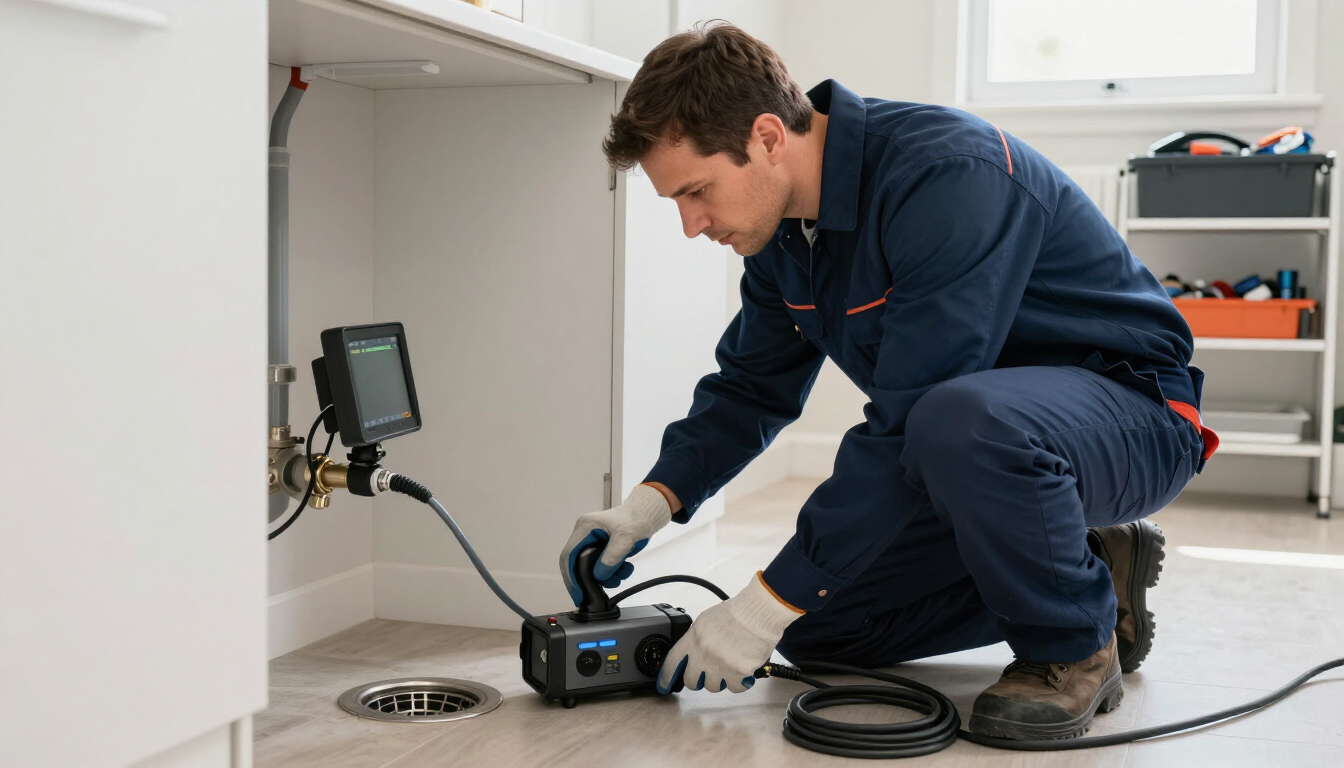
For help with a blocked fixture, see our Drain Cleaning service. If the issue may be in the main line, a Sewer Camera Inspection can help identify the problem without unnecessary digging.
How can you spot an early sewer problem?
Small warning signs should not be ignored. Contact a professional if you notice:
- More than one drain slowing down at the same time
- Gurgling sounds from toilets, sinks, or showers
- Water rising in a toilet when another fixture runs
- Sewage smells indoors, outside, or near a clean-out
- Repeated clogs that return after plunging
- Wet patches, unusually green grass, or standing water near a sewer line
These signs can mean the blockage is deeper than a single drain. Acting early may help prevent wastewater from backing up into floors, bathrooms, kitchens, or business areas.
A quick check before calling
You can try a few safe checks:
- See whether the problem affects one fixture or several.
- Remove and clean a visible sink plug or strainer.
- Avoid chemical drain cleaners, especially if you may need professional service soon.
- Stop using water if sewage is backing up.
- Keep children and pets away from contaminated water.
Never put your hands into standing wastewater. It may contain harmful contaminants.
Why is grease a serious drain problem?
Grease may flow as a liquid when hot, but it can harden as it cools. Over time, it can narrow the pipe and collect food particles. Pour cooking oil or grease into a container, let it cool, and place it in the rubbish instead of the sink.
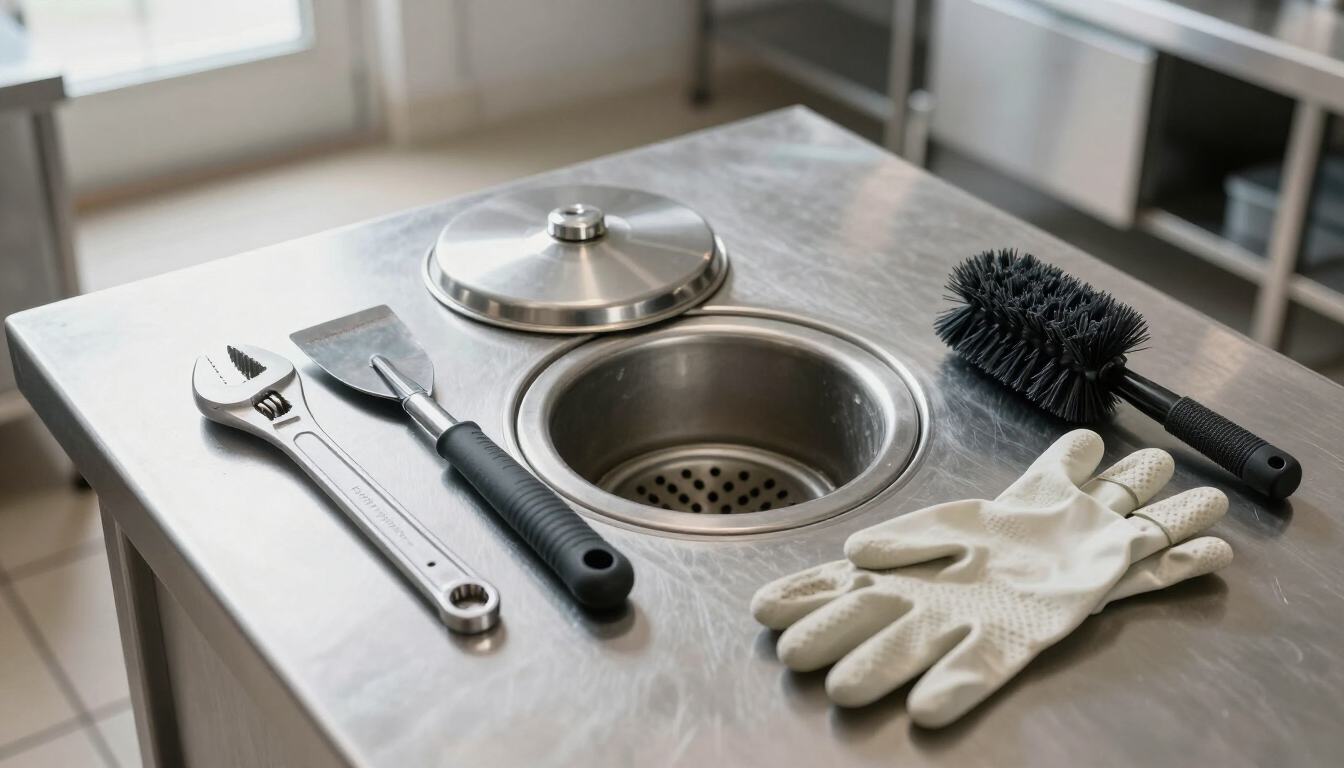
Restaurants and commercial kitchens may need dedicated Grease Trap Cleaning to reduce odours, slow drainage, and overflow risks. Regular maintenance is often easier than dealing with an emergency blockage.
When should you call a professional?
Call Roto Rooter when a blockage keeps returning, several fixtures are affected, sewage is visible, or you suspect roots or damaged pipes. Professional equipment can clear difficult obstructions and help locate the cause.
For homes with septic systems, slow drains may also signal a septic issue. Learn more about Septic Service before using large amounts of water.
Take the next step
Slow drains are easier to address when you respond to the first warning signs. Grease, roots, flushed items, hair, and damaged pipes can all restrict wastewater flow. A single slow fixture may need drain cleaning, while several affected fixtures or sewage smells may point to the main line. Stop using water if a backup is active, avoid harsh chemicals, and call Roto Rooter at (479) 751-8442 for help in Springdale, AR and surrounding Northwest Arkansas communities.





